Essential Oils for Anxiety

Essential oils can help still the mind and create calm. This is because our olfactory system is directly linked to the parts of the brain that process emotions. When we inhale the molecules from essential oils, they are carried to the brain and can influence our mood and emotions. Some of those that are effective…


Our Gut, Centerstage – Part 1, Revised, Improved

The objective in this series is to highlight certain current information on gut health, to provide an easy-to-glance reference. For those who want more in depth information, the referenced information is provided as a link. Until recently the positive effects of the gut microbiome on our digestive system and health has been severely under rated.…

Retro Walking, i.e., Backward Walking

Retro walking is a low impact way to burn calories, strengthen your legs, test your coordination and become more flexible along with reducing certain pains. And it requires standing up straighter than when walking forward. Various benefits include: Where to walk: walk anywhere you find comfortable of course. If you would like a support option,…

Thinking about Inflammation due to Food & Toxins

What is Inflammation? Inflammation is the body’s way of protecting itself from infection, illness, injury or something that doesn’t belong in the body such as germs and toxins. It is a normal and important process that allows healing, occurring when inflammatory cells travel to the place of need. The inflammatory response traps germs or toxins…

Reiki Session for Peace

We have previously mentioned Mainstream Reiki by Andrea Kennedy. Today we are pointing out her recently published Reiki for peace youtube. Inner peace and peace for the world. It feels appropriate. Today and always. Andrea offers various of resources and classes. We have also enjoyed her live broadcasts on the first Thursday of each month…

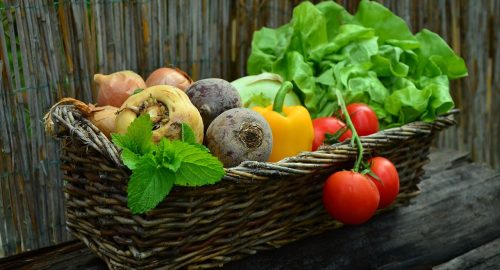
Dirty & Clean Fruits and Vegetables

Since 2004, The Environmental Working Group (EWG) has released an annual Shopper’s Guide to Pesticides in Produce, a.k.a, The Dirty Dozen. The nonprofit organization uses data from the Food and Drug Administration (FDA) and the U.S. Department of Agriculture (USDA) to account for contamination in nonorganic produce. The FDA and USDA analyzed 47,510 samples of 46…